SMART HOMES TO SMART CITIES: The Rise of Property Technology
By Faheem • Fri Jan 30 2026
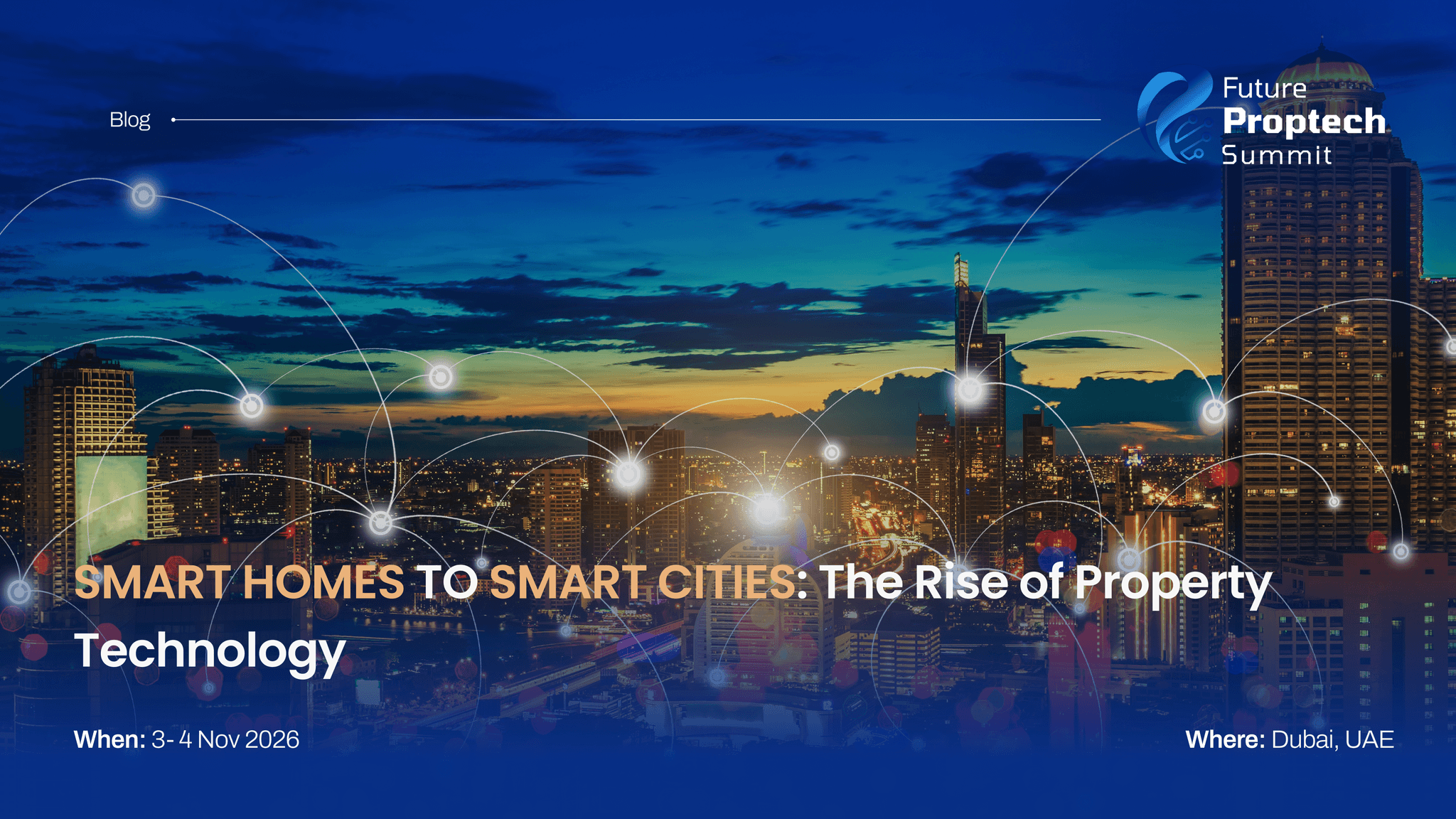
Property technology, commonly known as Proptech, is reshaping the way we design, build, buy, sell, and manage real estate. From smart homes equipped with intelligent devices to fully connected smart cities, technology is transforming the property sector at an unprecedented pace. What was once a traditional, paperwork-heavy industry is now evolving into a data-driven, digital ecosystem that improves efficiency, sustainability, and quality of life. In my view, Proptech is no longer a luxury but a necessity for urban growth.
At the heart of this transformation are smart homes. These homes use internet-connected devices such as smart lighting, thermostats, security cameras, and voice assistants to enhance comfort, safety, and energy efficiency. Homeowners can control appliances remotely through smartphones, monitor energy consumption, and automate daily routines. Beyond convenience, smart homes reduce electricity usage, improve security, and offer predictive maintenance, making them highly attractive to modern buyers and investors.
The rise of smart homes has also changed buyer expectations. Today’s consumers look for properties that are not just well-located but also technologically advanced. Developers are increasingly integrating smart systems at the construction stage rather than treating them as add-ons. Features like biometric access, smart parking, and app-based community management are becoming standard in premium residential projects. This shift highlights how technology is no longer optional in real estate but a key value driver.
Property technology goes far beyond individual homes. In commercial real estate, Proptech solutions are optimizing office spaces, retail outlets, and warehouses. Smart building management systems use sensors and data analytics to regulate lighting, temperature, and occupancy. This improves employee comfort, reduces operational costs, and supports sustainability goals. For landlords and facility managers, real-time data enables better decision making and efficient asset management. The ideal environment for Proptech solutions to grow, scale, and reach international markets. Participating in this event allows attendees to interact with industry leaders, gain insights into emerging
As smart buildings multiply, they naturally connect to form smart cities. Smart cities use integrated digital infrastructure to manage urban services such as traffic, waste, water, energy, and public safety. Property technology plays a central role by linking buildings with city-wide systems. For example, smart meters help monitor energy usage across neighborhoods, while intelligent traffic systems reduce congestion around residential and commercial hubs. The result is a more efficient, liveable, and environmentally responsible urban environment.
Data is the backbone of this Proptech driven evolution. Advanced analytics and artificial intelligence help predict market trends, optimize pricing, and assess property risks. Buyers can explore properties through virtual tours and augmented reality, eliminating the need for multiple physical visits. Investors use data platforms to evaluate returns, compare locations, and make informed decisions faster. This transparency reduces information gaps and builds trust across the real estate value chain.
Another major impact of property technology is sustainability. With growing concerns about climate change and urban pollution, Proptech offers solutions to build greener cities. Smart energy systems, solar integration, water management technologies, and eco-friendly construction methods are helping reduce carbon footprints. Green buildings supported by smart technology not only lower environmental impact but also offer long-term cost savings, making them financially and socially responsible choices.
In emerging markets, including India, Proptech is accelerating urban development. Rapid urbanization has created challenges such as housing shortages, traffic congestion, and resource management. Technology-driven property solutions help address these issues by enabling better planning, efficient construction, and transparent transactions. Government initiatives supporting digital infrastructure and smart city missions further boost the adoption of Proptech across residential and commercial projects.
Even though it is growing fast, the rise of property technology also brings challenges. High implementation costs, data privacy concerns, and the need for digital literacy can slow adoption. Integrating new technologies with existing infrastructure requires careful planning and skilled professionals. However, as technology becomes more affordable and awareness increases, these barriers are gradually being overcome.
Looking ahead, the journey from smart homes to smart cities is only beginning. Innovations such as blockchain-based property transactions, AI-powered urban planning, and fully autonomous building systems are set to redefine the future of real estate. Property technology will continue to bridge the gap between real estate and digital innovation, creating spaces that are not just places to live and work, but intelligent environments that adapt to human needs.
The rise of property technology marks a fundamental shift in the real estate industry. By connecting smart homes, smart buildings, and smart cities, Proptech is shaping a future that is efficient, sustainable, and user-centric. As technology continues to evolve, its role in transforming how we experience property and urban life will only become more significant.
Showing interest in this event is important as property technology continues to reshape the global real estate industry. Proptech is growing rapidly through the use of smart homes, intelligent buildings, and connected cities, which are helping improve efficiency, sustainability, and overall user experience. Hosting the event in Dubai adds significant value, as the city is known for its advanced digital infrastructure, forward-thinking regulations, and strong focus on smart city development. As a global hub for business and technology, Dubai provides technologies, and is part of a forward-looking ecosystem that is shaping the future of urban living and real estate.