How Climate Tech Is Reshaping Real Estate in the Middle East
By Mehreen Fayaz • Thu Feb 26 2026
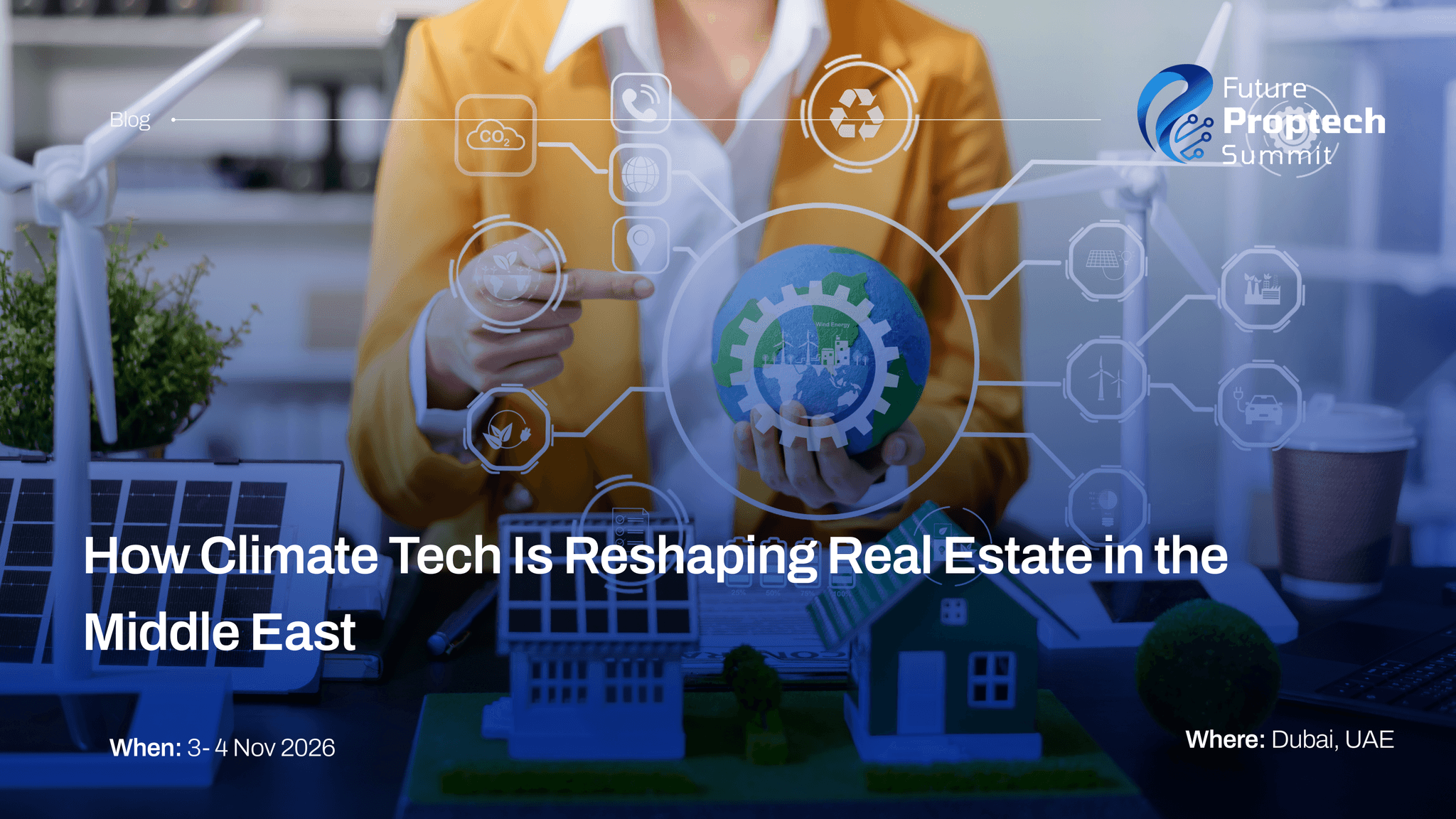
Climate tech is rapidly transforming the real estate landscape across the Middle East, reshaping how cities are planned, buildings are constructed, and assets are managed as governments respond to climate change, carbon reduction commitments, and investor demand for sustainable real estate. Across the United Arab Emirates and Saudi Arabia, sustainability has moved from a branding exercise to a national priority embedded within long-term development visions. Mega projects such as NEOM are designed around renewable energy, net zero infrastructure, and AI-powered urban systems, positioning the region as a leader in climate resilient real estate. In Dubai, frameworks aligned with the Dubai 2040 Urban Master Plan emphasize green buildings, sustainable urban density, and smart mobility, while Abu Dhabi continues to invest in energy efficient districts and renewable integration. As a result, climate tech in real estate covering smart grids, intelligent cooling systems, water efficiency solutions, and carbon tracking platforms is becoming central to how new developments are financed, marketed, and valued across the GCC.
At the core of this transformation is the rapid rise of green buildings and net-zero construction, two of the highest-ranking trends in the global property sector. Developers are increasingly integrating solar panels, advanced HVAC optimization, smart lighting systems, and sustainable construction materials to reduce energy consumption and operational costs. In a region where cooling accounts for a significant share of electricity usage, AI-driven building management systems are playing a critical role in improving energy efficiency and reducing carbon emissions. ESG real estate investment is also accelerating, with institutional investors prioritizing sustainable assets that offer regulatory compliance, higher occupancy rates, and long-term asset appreciation. Green bonds and sustainability-linked financing models are unlocking capital for eco-friendly developments, reinforcing the shift toward climate resilient infrastructure. Sustainable real estate in the Middle East is no longer a niche segment; it is becoming the benchmark for premium commercial, residential, and mixed-use projects.
Beyond individual properties, climate tech is reshaping entire urban ecosystems through smart city innovation and proptech integration. IoT enabled utilities, predictive analytics, and digital twin technology allow developers and city planners to optimize energy distribution, reduce water waste, and enhance urban livability. Construction technology is also evolving, with modular development, 3D printing, and low-carbon concrete alternatives reducing embodied carbon while accelerating delivery timelines. As governments tighten carbon reporting standards and tenants demand environmentally responsible spaces, climate-focused real estate is gaining a powerful competitive advantage. Sustainable buildings command premium rents, attract multinational tenants seeking ESG compliance, and deliver stronger long-term returns. Ultimately, climate tech is not just enhancing operational efficiency in Middle East real estate, it is redefining investment strategies, development models, and urban planning, positioning the region as a global hub for sustainable property innovation and smart infrastructure leadership.