Building the Cities of Tomorrow: Technology Driving Smart Urban Infrastructure
By Mehreen Fayaz • Tue Mar 10 2026
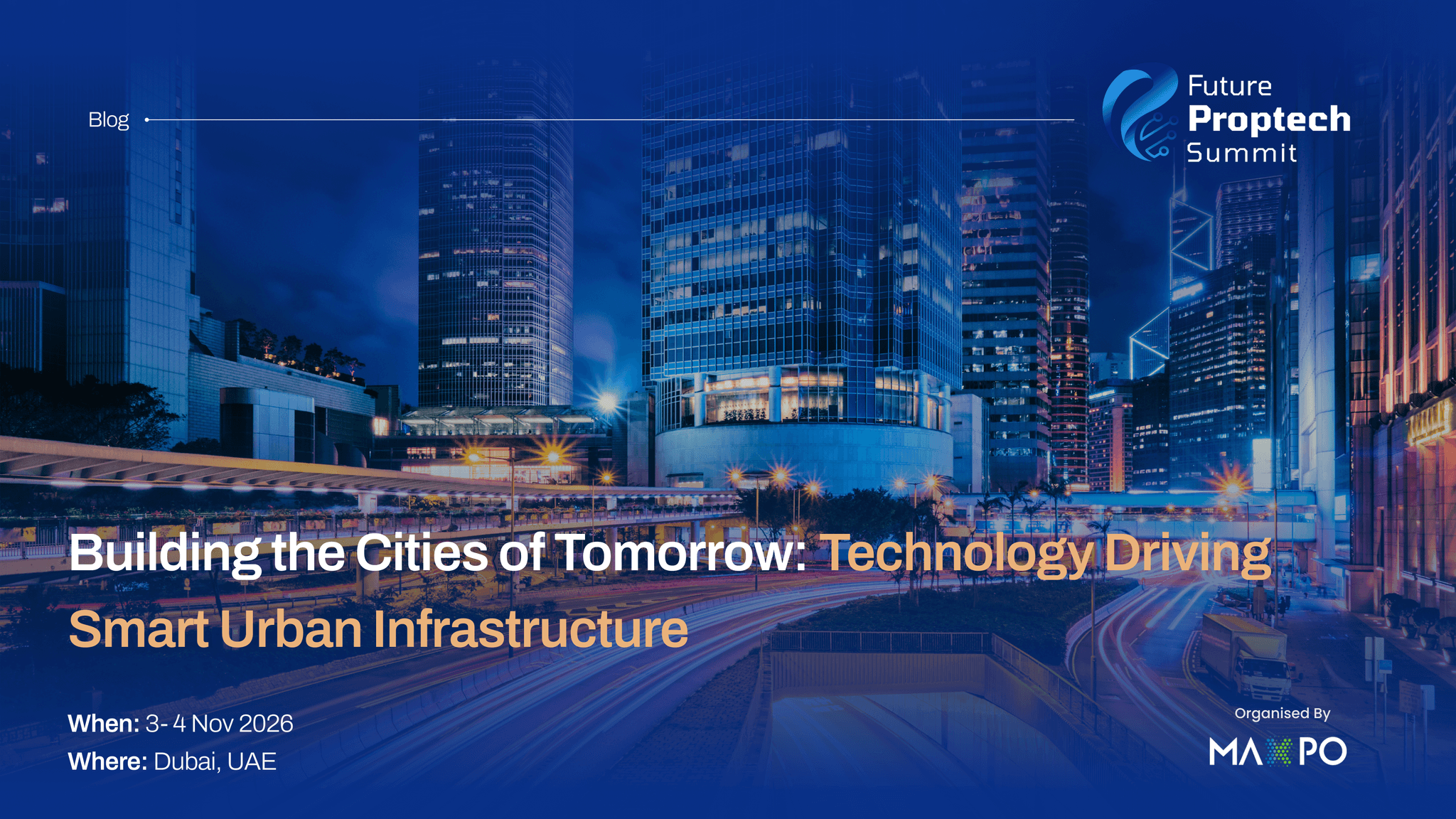
Urbanization is accelerating across the globe, and cities are under increasing pressure to accommodate growing populations while maintaining sustainability, efficiency, and quality of life. As a result, the concept of smart cities has become central to modern urban development. Building the cities of tomorrow requires more than simply expanding infrastructure; it demands the integration of advanced technologies that can improve how cities function and how people live within them. From intelligent transportation networks and smart energy systems to digital connectivity and data-driven planning, technology is becoming the backbone of smart urban infrastructure. Governments, developers, and technology companies are collaborating to create urban environments that are more efficient, sustainable, and resilient.
One of the key drivers behind smart urban infrastructure is the use of data and connected technologies. Internet of Things (IoT) sensors, artificial intelligence, and big data analytics allow city authorities to monitor and manage urban systems in real time. Smart traffic management systems, for example, can analyze traffic flow and automatically adjust signals to reduce congestion and improve mobility. Similarly, smart energy grids help cities manage electricity demand more efficiently, reducing waste and improving sustainability. These technologies also support better urban planning by providing insights into population movement, infrastructure usage, and environmental conditions. By using data-driven insights, city planners can design infrastructure that responds to real-world needs rather than relying solely on static planning models.
Smart buildings are another crucial component of next-generation urban infrastructure. Modern buildings are increasingly equipped with sensors and digital management systems that monitor energy consumption, occupancy patterns, and environmental conditions. This enables building managers to optimize heating, cooling, lighting, and security systems to improve efficiency and reduce operational costs. In addition, smart building technologies contribute to sustainability goals by lowering carbon emissions and promoting energy efficiency. As more cities adopt green building standards and climate-conscious development strategies, smart building systems will play an increasingly important role in achieving long-term sustainability objectives.
Transportation innovation is also shaping the future of urban infrastructure. Rapid urban growth often leads to congestion and increased pressure on transportation networks. Smart mobility solutions such as integrated public transport systems, autonomous vehicle technology, and digital mobility platforms are helping cities address these challenges. By connecting buses, trains, ride-sharing services, and other mobility options through digital platforms, cities can create more seamless and efficient transportation networks. Data collected from mobility systems can also help planners optimize routes, reduce travel times, and improve accessibility across urban areas.
Another important aspect of building future-ready cities is the integration of sustainable infrastructure solutions. Climate change and environmental concerns are pushing cities to adopt greener development strategies. Renewable energy integration, energy-efficient infrastructure, and sustainable water management systems are becoming key components of smart city development. Technologies such as solar-powered infrastructure, smart water monitoring systems, and advanced waste management solutions help cities reduce environmental impact while supporting long-term urban growth. These solutions not only improve sustainability but also enhance resilience against environmental challenges such as extreme weather events and resource scarcity.
Digital connectivity is the foundation that supports all other smart infrastructure systems. High-speed communication networks, cloud platforms, and urban data platforms enable seamless connectivity between devices, infrastructure systems, and city management platforms. This connectivity allows city authorities to gather real-time data and make informed decisions that improve urban operations. For businesses and residents, improved digital connectivity enhances access to services, supports innovation, and creates opportunities for economic growth within cities.
The transformation toward smart urban infrastructure is also creating new opportunities for investment and innovation within the real estate and technology sectors. Developers are increasingly integrating smart technologies into large-scale residential and commercial projects to attract tenants and improve asset value. Investors are recognizing the long-term potential of technology-enabled urban developments that combine sustainability, connectivity, and efficient infrastructure. As cities continue to evolve into digitally connected ecosystems, the collaboration between governments, technology providers, and private investors will be essential to deliver large-scale smart infrastructure projects.
Building the cities of tomorrow is not simply about adopting new technologies, it is about creating urban environments that are sustainable, efficient, and adaptable to future challenges. Technology driven infrastructure will play a critical role in shaping how cities grow, how resources are managed, and how communities thrive. As digital innovation continues to accelerate, smart urban infrastructure will become the foundation for the next generation of cities, enabling them to support growing populations while improving quality of life and environmental sustainability.